FitMaster
Mobile App
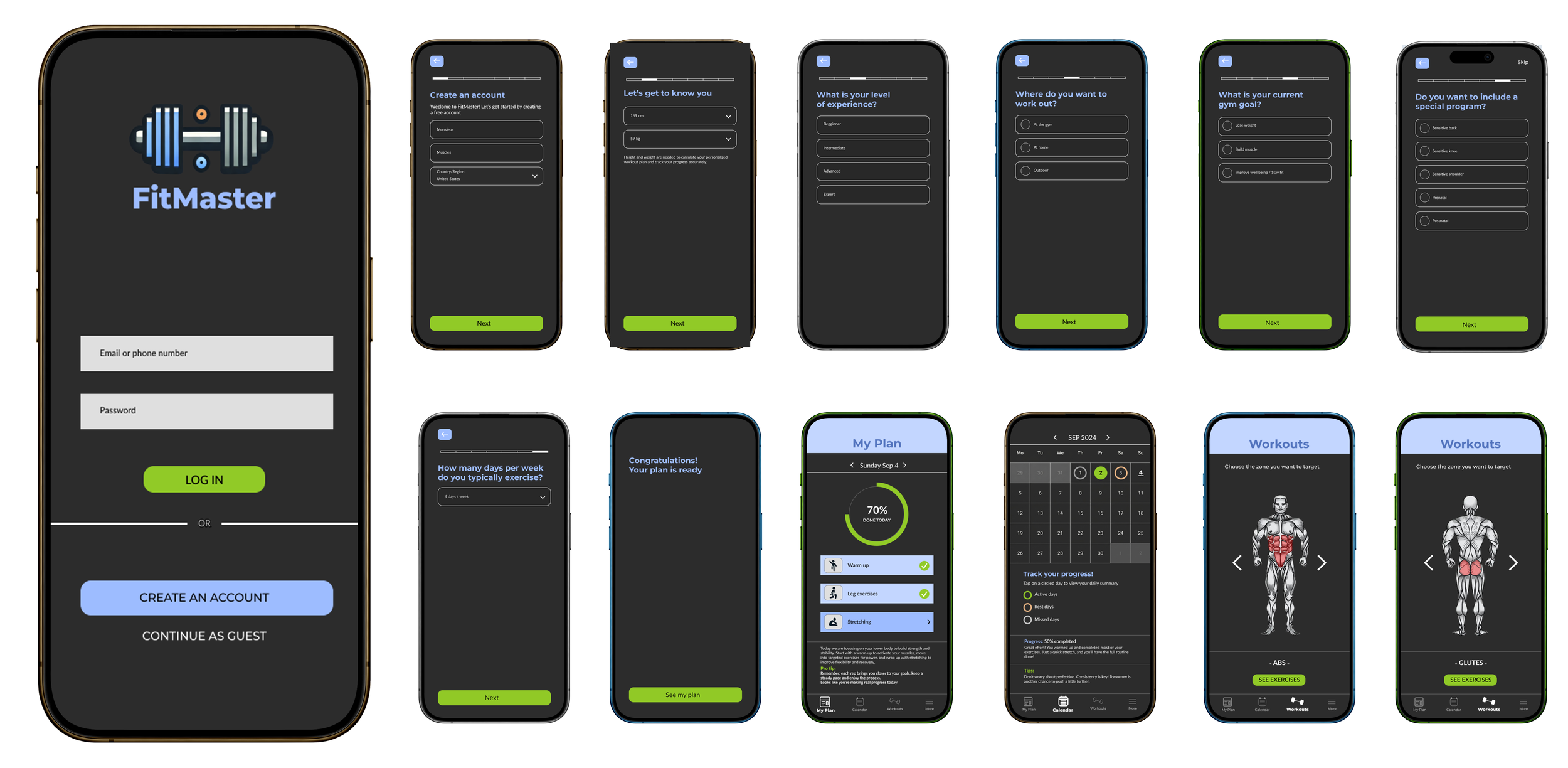
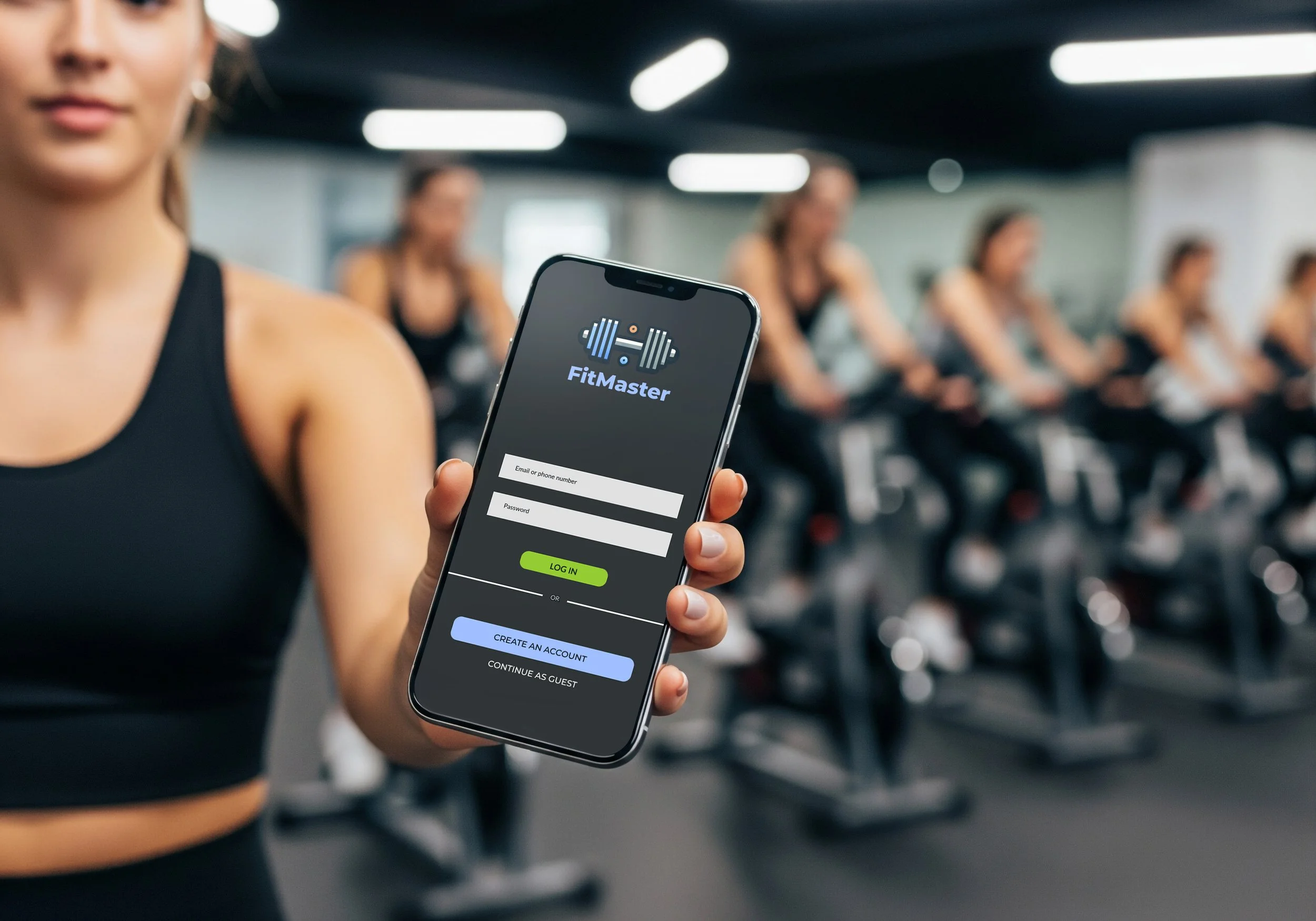
A mobile fitness app that builds personalized workout plans based on user goals, experience level, and equipment access. Designed to keep onboarding fast and daily check-ins simple, so people actually stick with their routine.
Role
UX Research, UI/UX Design
Tools used




Project Overview
Problem Statement
Most people who want to start working out lack motivation and don’t know where to begin. They are often over whelmed by the amount of conflicting fitness information online and struggle to find routines that match their goals, physical condition, and experience level. This leads to inconsistency, frustration, and in some cases injury from following workouts that are not suited to t heir bodies. This app addresses these challenges by removing the guesswork and creating a clear, personalized starting point.
Design Brief
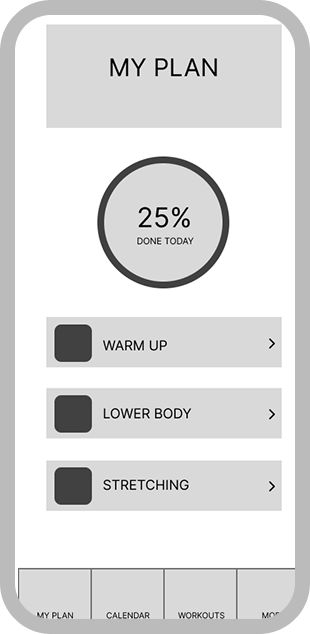
FitMaster is a mobile fitness app for beginners and people getting back into working out. The main challenge was taking everything that makes fitness personal like goals, experience, equipment, injuries, and schedule, and turning it into a plan that feels doable and relevant to each user.
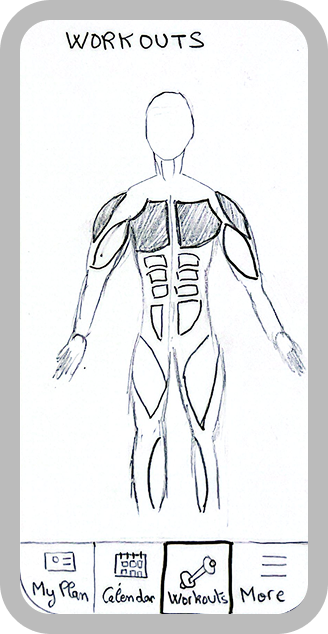
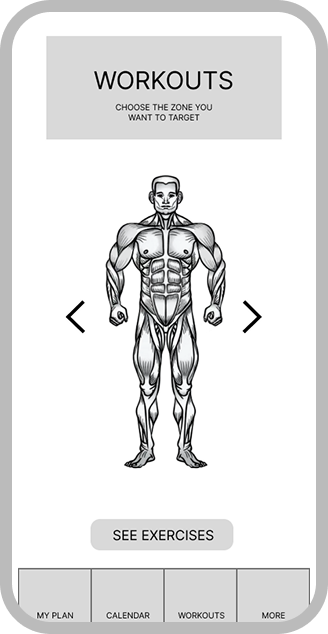
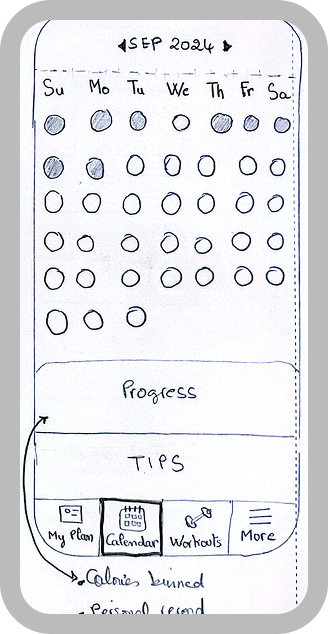
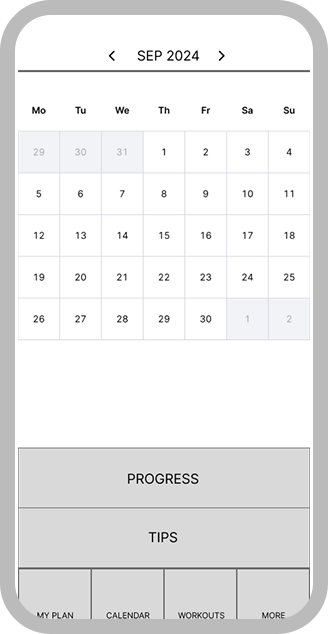
This shaped three key features: a step-by-step onboarding, a calendar to track progress and stay motivated, and an interactive body map where users can tap a muscle to find exercises that target it.
Competitive Analysis
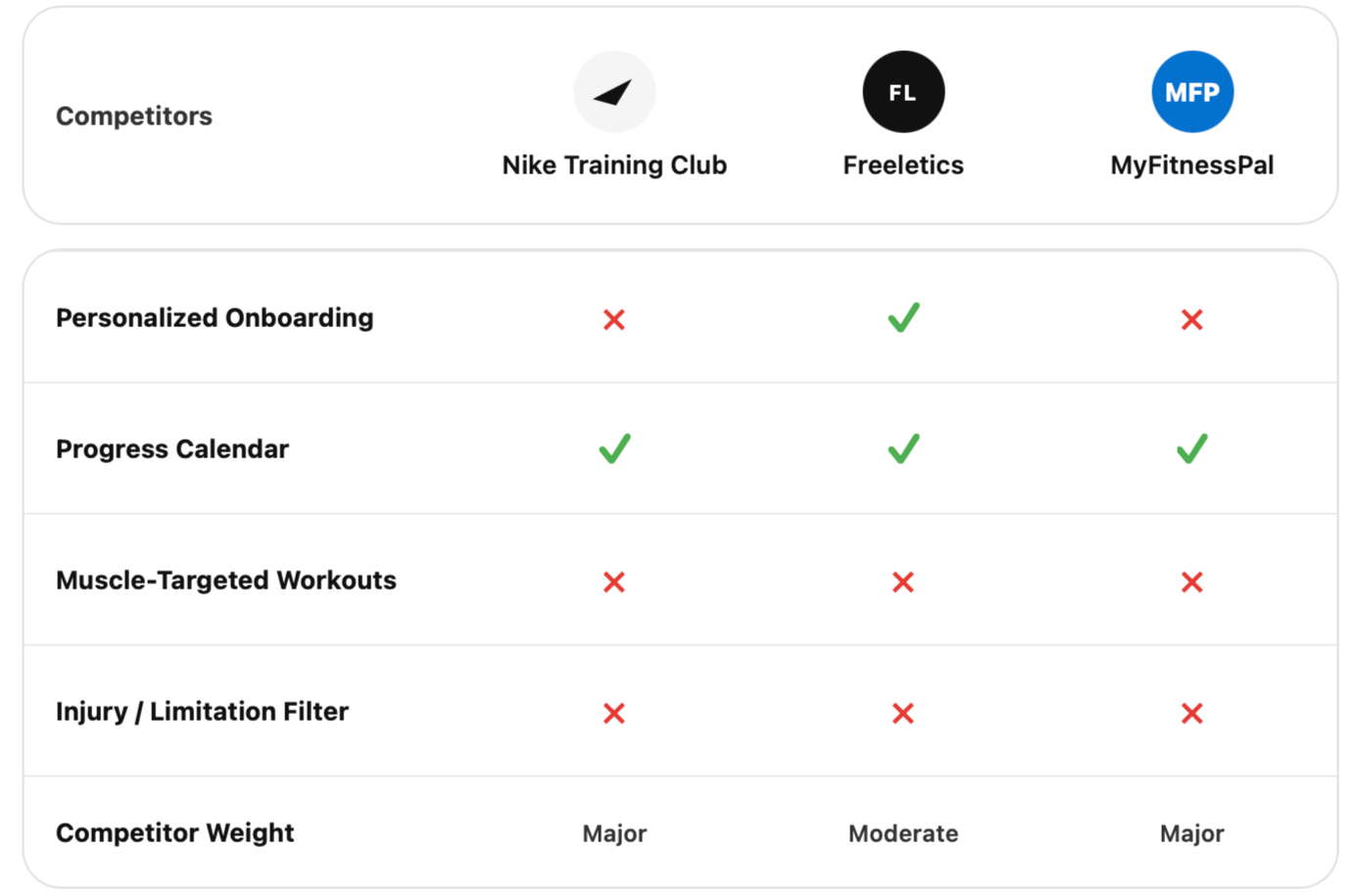
To understand the competitive landscape, I identified the main fitness apps on the market and compared their core features to find gaps. I looked at what each app does well and where it falls short, focusing on personalization, progress tracking, and workout discovery. This helped me identify what FitMaster needed to do differently to stand out.
User Persona
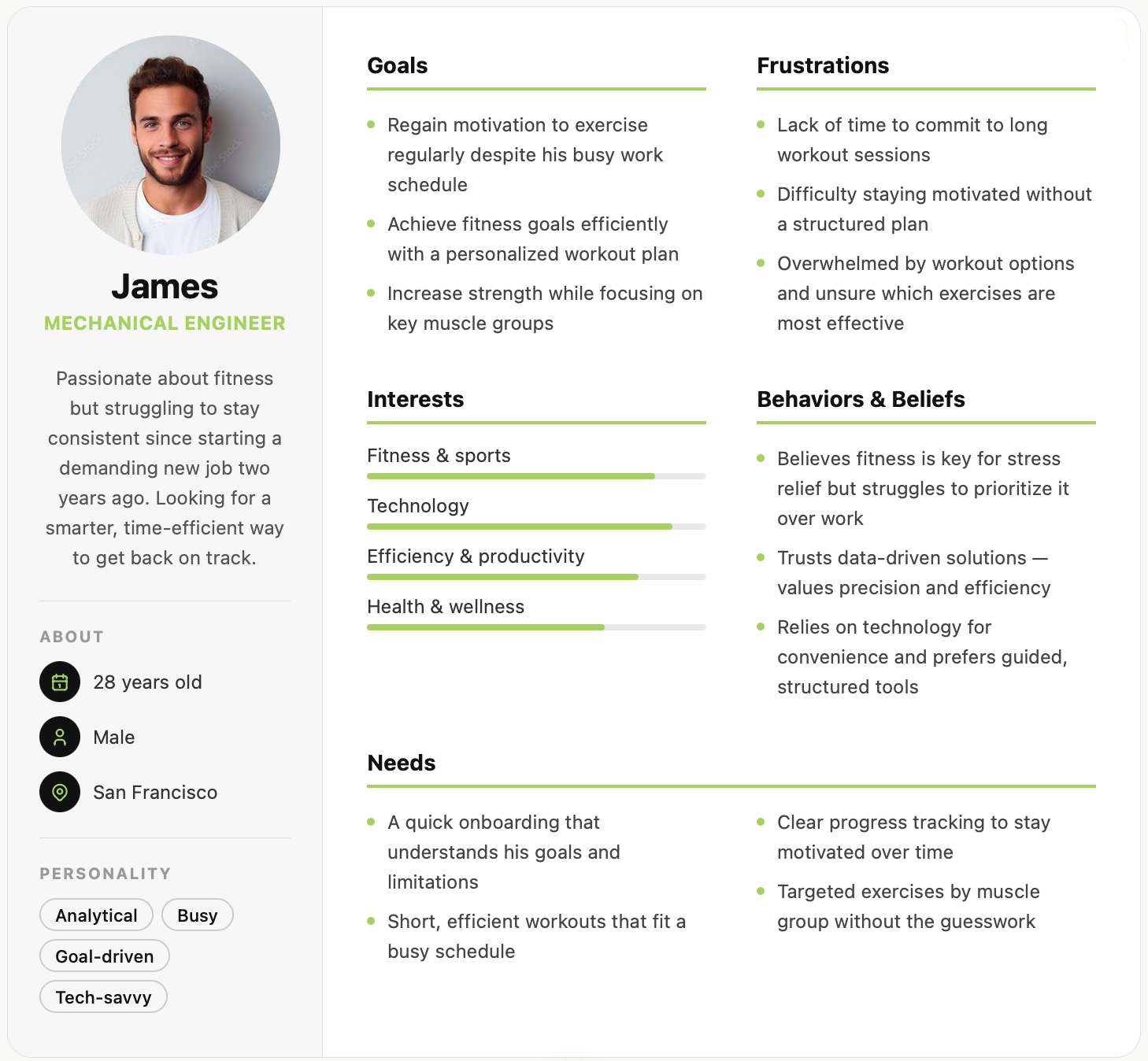
This persona helped guide key decisions throughout the design process, from a streamlined onboarding to features that prioritize efficiency over choice.
Low Fidelity Wireframes
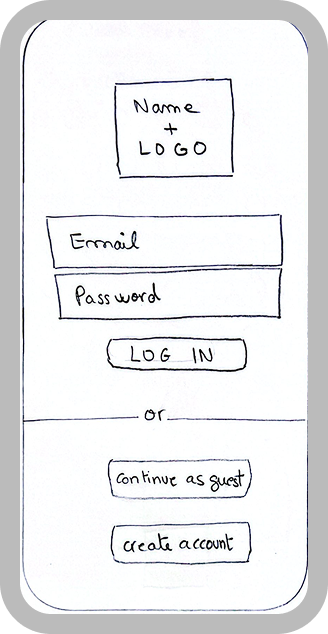
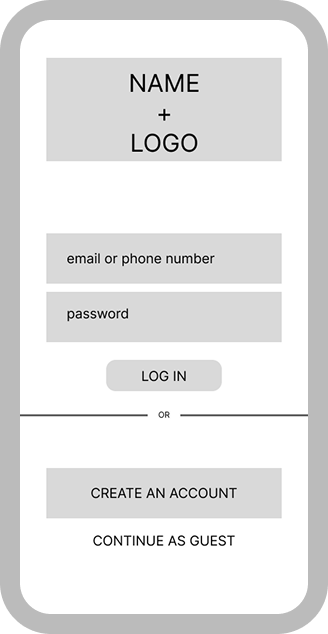
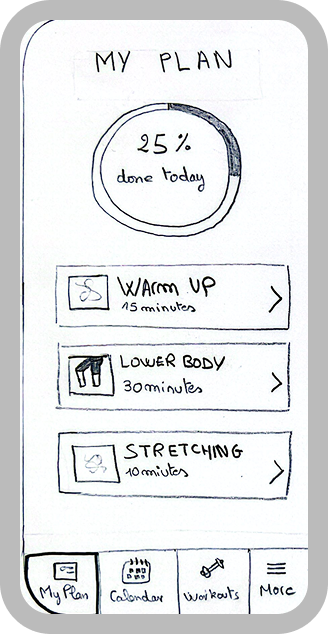
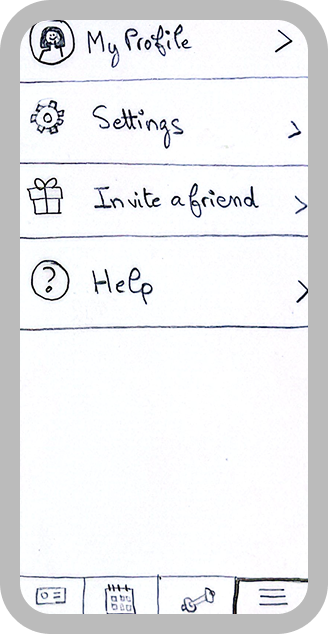
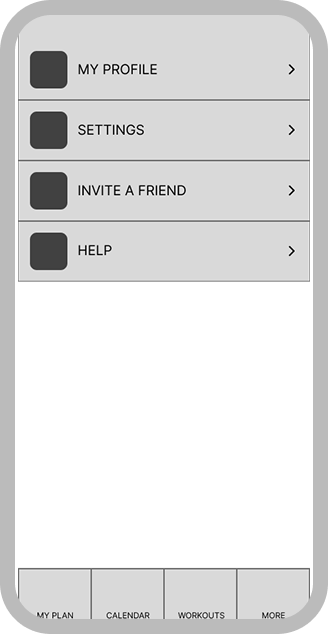
Usability Testing
I conducted a few rounds of usability testing on the mid-fi prototype with four different users to evaluate user flows and navigation. Before each session, I asked a short set of questions to understand their habits and expectations, then observed how they interacted with the prototype. This gave me clear direction on which design decisions to move forward with.

High Fidelity Wireframes